
Trade show booth rental in Houston
Houston runs on the same Texas right-to-work rules that make Dallas affordable, on a floor built for industrial and energy shows. What distinguishes it is what the building keeps for itself: the utilities belong to facility trades, everything moves through the docks, and the more ambitious builds each need a permit.
- Main venue
- George R. Brown Convention Center
- Labor
- Right-to-work state
- Utilities
- Facility trades only
- Permits needed for
- Vehicles, cooking, tents, multilevel booths
What the rules allow and reserve
The labor baseline is permissive. The building-specific restrictions are where Houston differs from its Texas neighbour, and they are easy to plan around once you know them.
Texas rules, same as Dallas
Houston sits under the same right-to-work framework as Dallas: shorter labor calls, more scope for exhibitor staff to work on their own booth, and material handling rates below the coastal venues.
The building keeps its utilities
Access to the utility floor pockets is restricted to facility electricians, plumbers, telephone technicians and engineers. Nobody from your team or your exhibit house opens a floor box, whatever the labor rules otherwise allow.
Everything moves through the docks
All move-in and move-out of exhibits runs through designated loading docks, freight doors and freight elevators. There is no carrying it in through the front, which matters if you were planning to hand-carry your way around material handling.
Permits for the interesting builds
Fire prevention permits are required for vehicles on display, cooking, tents and multilevel booths. If you are planning a double-deck exhibit or putting a vehicle in the space, that is a filing with its own lead time, not an afterthought.
Labor rules are set per event as well as per venue. Everything here is a starting point — the exhibitor kit for your specific show is the document that governs, and your vendor will design and quote against it.
Planning around an industrial floor
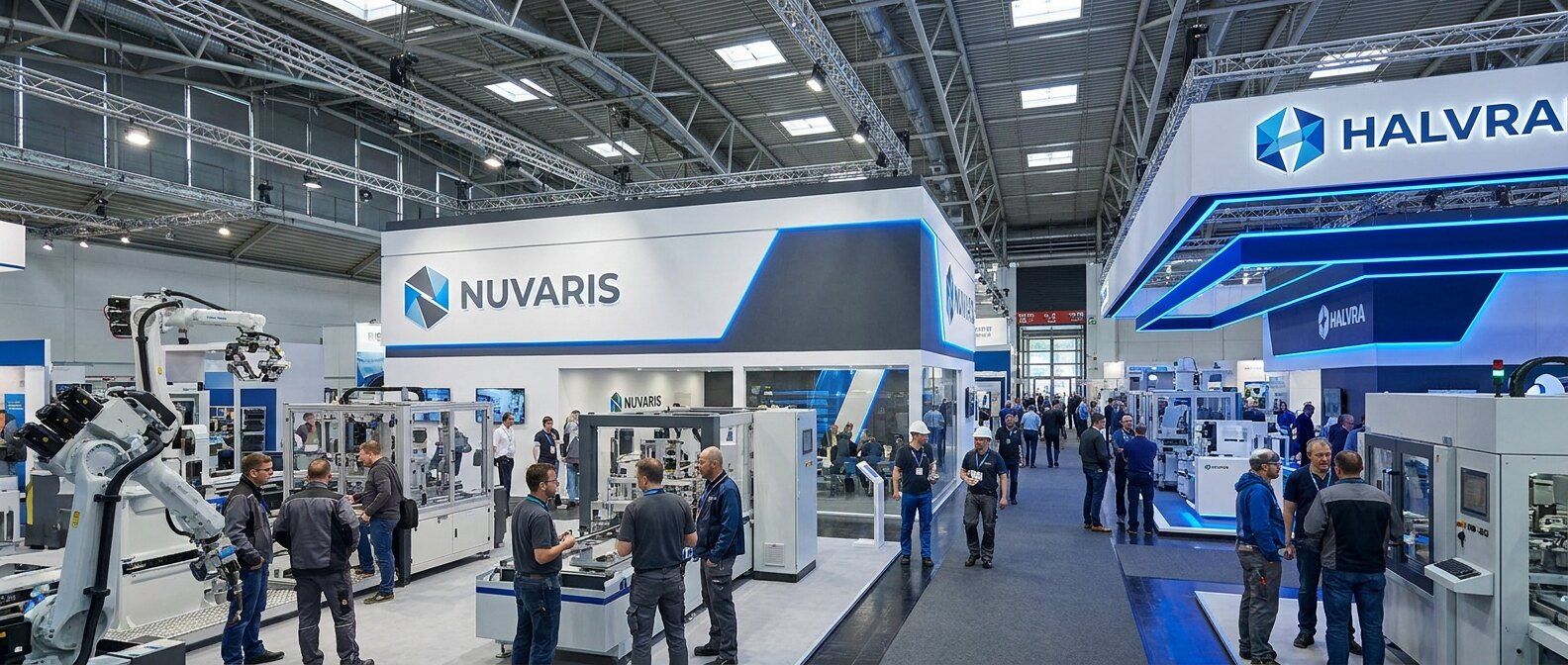
An industrial show floor
Houston's calendar leans heavily toward energy, industrial and technical events, so heavy machinery in booths is routine here in a way it is not in most cities. Venue staff and local vendors are used to it.
Plan the permits early
A vehicle, a cooking demonstration or a second storey each triggers its own approval. Your vendor should be raising these before design, and if they are not, raise them yourself.
Good freight position
Like Dallas, Houston shortens truck runs from much of the country relative to either coast, and regional exhibit houses are plentiful.
Summer docks are hot
Move-in and move-out involve open loading docks in a famously humid city. It affects crew pace and anything temperature-sensitive left waiting. See what drives the quote.
What moves a Houston quote
Cheap labor is the headline. Weight is the line that can undo it.
Right-to-work keeps labor down
Houston lands with Dallas at the affordable end of this list on install and dismantle, well below Los Angeles or New York.
Heavy exhibits change the arithmetic
If your booth includes machinery, drayage stops being a modest line and becomes a major one, because material handling is billed on real weight. On an industrial floor that is often the biggest number on the page.
Permits and inspections take time, not just money
The fees are modest; the lead time is the real cost. Missing a filing deadline on a multilevel booth or a vehicle can mean not being allowed to build what you paid to design.
Central freight helps
Shorter truck runs from most of the country, plus a deep regional vendor pool, keeps both freight and hardware sourcing reasonable.
Common questions
Can my own employees set up our booth in Houston?
Generally more of it than in the coastal union markets, since Texas is a right-to-work state. The exact scope is set by your show and its general service contractor rather than by state law alone, so check the labor section of your exhibitor kit. Motorised lifts and forklifts remain a labor call regardless.
Do I need a permit for my booth at the George R. Brown Convention Center?
For some builds, yes. Fire prevention permits are required for vehicles on display, cooking, tents and multilevel booths. If your exhibit includes any of those, treat the filing as a design-stage task with its own lead time rather than something to handle close to the show.
Can I run my own power in the booth?
No. Access to the utility floor pockets is restricted to facility electricians, plumbers, telephone technicians and engineers. Electrical is ordered through the official channel on an advance deadline, and the building keeps the connection work to its own trades.
Is Houston cheaper than the coastal cities?
On labor and material handling, considerably — it sits alongside Dallas at the affordable end. The caveat specific to Houston is that many shows here involve heavy equipment, and drayage billed by weight can erase the labor saving if your exhibit is genuinely heavy.
How far ahead should I book in Houston?
Six to twelve weeks for a linear booth and three to four months for an island. Add time if your build needs a fire prevention permit, because the approval sits on the critical path rather than alongside it.
Dallas shares the Texas rules without the industrial emphasis, and Atlanta and Nashville are the other right-to-work markets here. Compare all fifteen by city.